
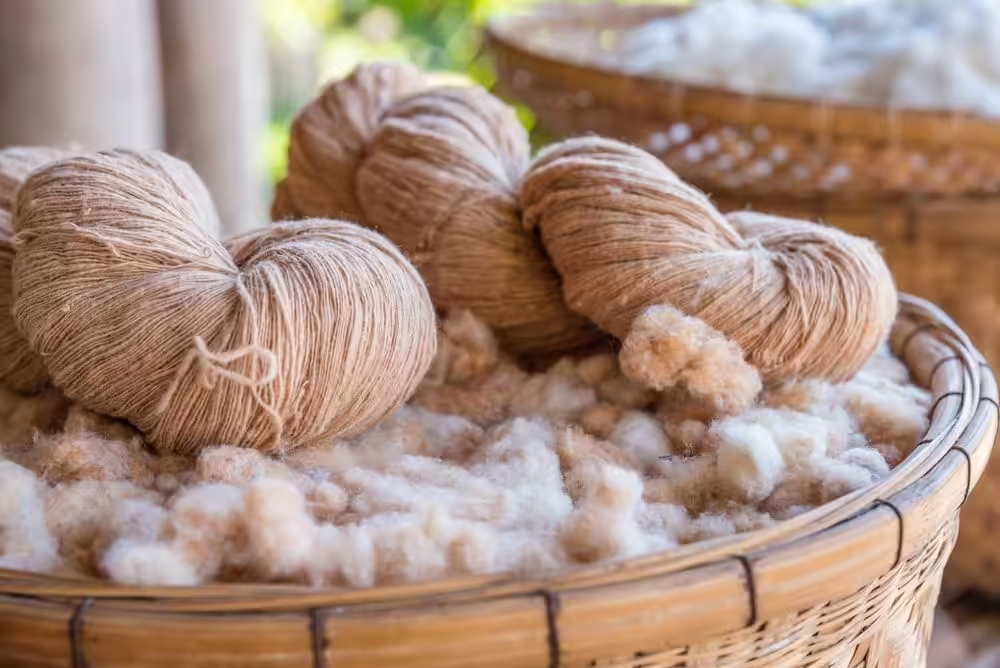
Why Natural Fabrics Matter in Sustainable Fashion
When choosing ethical clothing, fabric matters just as much as production methods. Natural fibres not only feel better against your skin – they’re often more breathable, durable and environmentally responsible.
For UK shoppers seeking sustainable fashion that works across seasons, natural fabrics are a smart and practical choice.
What Are Natural Fabrics?
Natural fabrics are made from plant or animal fibres rather than synthetic materials derived from petroleum.
Common natural fibres include:
- Cotton
- Linen
- Wool
- Viscose (plant-derived)
- Bamboo blends
These fabrics are often used in artisan clothing because they support traditional craftsmanship and offer long-term wearability.
1. Breathability for the UK Climate
The UK weather can shift quickly from warm sunshine to cool breezes. Natural fibres regulate temperature far better than synthetic alternatives.
- Cotton keeps you cool in summer
- Linen allows airflow during warm spells
- Wool and knit blends insulate during colder months
This makes breathable cotton clothing especially versatile for year-round layering.
2. Comfort Without Compromise
Synthetic fabrics can trap heat and moisture. Natural materials allow your skin to breathe, making them ideal for relaxed boho and casual fashion.
Soft cotton tops, lightweight dresses and comfortable knitwear are easier to wear for long days – whether at work, travelling or enjoying weekends out.
3. Durability & Longevity
Ethical fashion isn’t just about how clothes are made – it’s about how long they last.
High-quality natural fabrics:
- Hold their shape better
- Age more gracefully
- Resist pilling when cared for properly
- Become softer over time
When you invest in artisan clothing made from durable fibres, you reduce the need to replace items frequently.
4. Lower Environmental Impact
While no fabric is completely impact-free, natural fibres are biodegradable and often require less intensive chemical processing than synthetics.
Choosing natural fabrics supports:
- Reduced microplastic pollution
- Lower reliance on fossil fuels
- More sustainable production cycles
This aligns perfectly with the principles of slow fashion and ethical sourcing.
5. Why Artisan Brands Prefer Natural Fibres
Small-scale artisan producers often prioritise:
- Traditional textile techniques
- Handcrafted embroidery
- Natural dye methods
- Breathable woven fabrics
These techniques pair best with natural materials, creating garments that feel authentic and long-lasting.
Final Thoughts
If you’re building a sustainable wardrobe, fabric choice should be a priority. Natural fibres offer comfort, versatility and durability – ideal for ethical boho fashion that works across every season.
Choosing breathable, responsibly sourced fabrics is a simple but powerful step towards more conscious living.